Peptide Information
Intro to Peptides
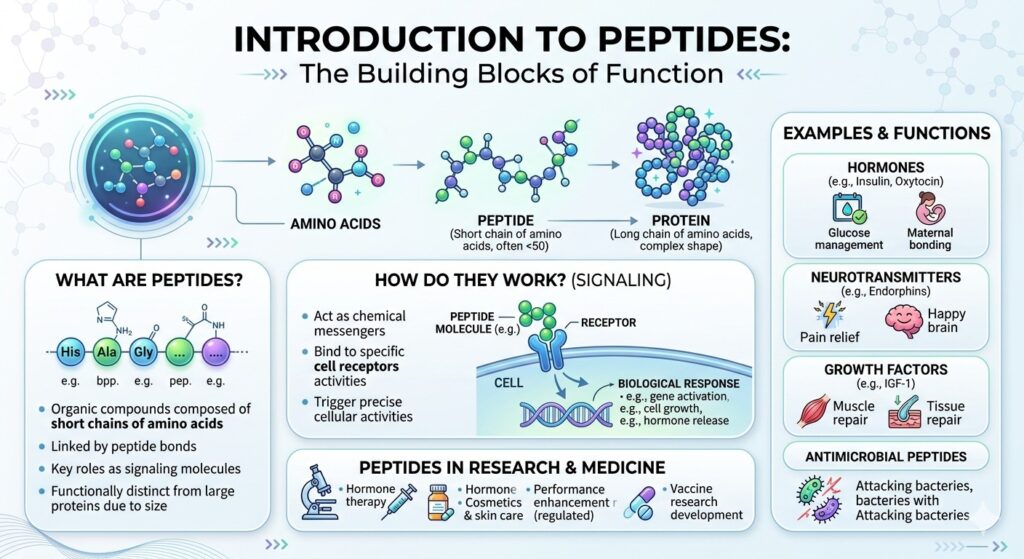
Here’s a clear and structured introductory guide to peptides, perfect if you’re starting to learn about them or explaining them on a website or educational post:
1.What Are Peptides?
- Peptides are short chains of amino acids, the building blocks of proteins.
- They are smaller than proteins, usually between 2–50 amino acids long.
- Amino acids are linked together by peptide bonds, forming a linear chain.
2.How Peptides Are Made
- Naturally in the body: Cells make peptides as hormones, signaling molecules, or antimicrobial agents.
- Synthetic (lab-made): Chemists can create peptides for research or therapeutic purposes using solid-phase or liquid-phase peptide synthesis.
3.Functions of Peptides
Peptides are extremely versatile in biology:
- Hormonal – like insulin controlling blood sugar
- Signaling – like growth hormone-releasing peptides (GHRPs)
- Therapeutic – research peptides for fat loss, tissue repair, or sexual function
- Antimicrobial – some peptides protect against bacteria
4.Peptides vs Proteins
- Peptides are shorter and simpler, usually linear.
- Proteins are long chains that fold into 3D structures, performing complex biological functions.
- Example: AOD 9604 (peptide) vs Collagen (protein)
5.Key Concepts
- Peptide Bond: Connects amino acids by a covalent bond.
- Solubility: Depends on amino acid composition; some dissolve in water, others need acid or DMSO.
- Purity & Storage: Lab peptides must be purified and stored dry at -20°C to maintain stability.
Quick Analogy
- Think of peptides as small Lego chains.
- Proteins are big Lego sculptures built from those chains.
Peptides are central to research, medicine, and biology, forming the foundation for understanding hormones, drugs, and protein function.
Peptide Synthesis
Peptide synthesis is the process of artificially creating peptides, which are short chains of amino acids (the building blocks of proteins). It’s a fundamental technique in biochemistry, medicine, and pharmaceutical development because peptides can act as hormones, signaling molecules, or therapeutic agents.
Here’s a structured breakdown:
1. What Peptide Synthesis Is
- Goal: Connect amino acids in a specific sequence to form a peptide.
- Types of peptides: dipeptides (2 amino acids) → oligopeptides (3–20 amino acids) → polypeptides (>20 amino acids).
- Applications:
- Therapeutic drugs (e.g., PT-141 for sexual health, Tesamorelin for fat loss)
- Research tools in biology and chemistry
- Cosmetic or anti-aging peptides
2. Methods of Peptide Synthesis
a) Solid-Phase Peptide Synthesis (SPPS)
- Invented by Robert Bruce Merrifield (Nobel Prize 1984).
- Most common method today.
- Process:
- Attach first amino acid to a solid resin bead.
- Add the next amino acid with a protective group to prevent unwanted reactions.
- Repeat until the full sequence is built.
- Remove the peptide from the resin and deprotect side chains.
- Pros: Fast, automated, high yield.
- Used for: Most therapeutic peptides.
b) Liquid-Phase Synthesis
- Amino acids are linked in solution instead of on resin.
- Pros: Useful for very short peptides.
- Cons: Harder to purify and scale.
3. Key Concepts
- Coupling reaction: The chemical reaction that links amino acids.
- Protecting groups: Chemicals that temporarily block reactive sites to ensure correct bonding.
- Cleavage: Removing the peptide from the resin after synthesis.
- Purification: Typically done via High-Performance Liquid Chromatography (HPLC) to get a pure peptide.
4. Modern Enhancements
- Automated synthesizers for SPPS allow high-throughput production.
- Green chemistry methods reduce toxic solvents.
- Peptide libraries can be made for drug discovery.
🔹 Example
A peptide like AOD 9604 (used for fat metabolism) is synthesized using SPPS to ensure the exact amino acid sequence, then purified to pharmaceutical grade before being formulated for research or therapeutic use.
eptide bioregulators are short chains of amino acids derived from body tissues that purportedly help regulate specific organ functions. Vilon is one of the simplest members of this family – a dipeptide (two-amino-acid) compound (Lys-Glu) that was among the earliest such peptides discovered. It was originally isolated from extracts of the thymus gland as researchers searched for factors that could rejuvenate or normalize immune function. The thymus plays a crucial role in immune health: during youth it “educates” T-lymphocytes (T cells) and helps maintain immune balance, but it shrinks and becomes less active with age. This age-related thymic involution is a key factor in the decline of immune system robustness (a phenomenon known as immunosenescence).
Scientists like Prof. Vladimir Khavinson and colleagues hypothesized that tissues like the thymus produce short regulatory peptides that preserve cellular homeostasis, and that giving these peptides to older or stressed organisms might restore some youthful regulation. Vilon, derived from thymic tissue, has therefore become a notable research tool in immunology and gerontology. It represents a minimalist “signal” molecule that may counteract aspects of aging in the immune system. In summary, Vilon sits at the intersection of immunological research and aging biology: it is studied as a clue to how the body naturally controls gene activity and cell behavior to sustain health, particularly in the context of an aging or stressed immune system.
Peptide Purification
Peptide purification is the process of isolating a peptide in its pure, active form after it has been synthesized. Since peptide synthesis often produces unwanted byproducts, truncated sequences, or side reactions, purification is critical for research, medical, or cosmetic use.
Here’s a clear breakdown:
1. Why Purification Is Needed
After synthesis, a peptide mixture may contain:
- Incomplete sequences – amino acids that didn’t fully attach.
- Side products – chemical modifications during synthesis.
- Residual reagents – leftover chemicals from the reaction.
Purifying the peptide ensures:
- Accurate experimental results.
- Safety for therapeutic use.
- Proper activity of the peptide.
2. Common Peptide Purification Methods
a) High-Performance Liquid Chromatography (HPLC)
- Most common method for peptide purification.
- How it works:
- Peptide mixture is dissolved in a solvent.
- Injected into an HPLC column (stationary phase).
- Peptides separate based on polarity, charge, or hydrophobicity.
- Pure peptide fractions are collected.
- Types of HPLC:
- Reverse-phase HPLC (RP-HPLC): Peptides separated based on hydrophobicity.
- Ion-exchange HPLC: Separation based on charge.
b) Crystallization
- Less common for small peptides.
- Peptide forms crystals, leaving impurities behind.
c) Dialysis
- Removes very small molecules, like salts or solvents, from the peptide solution.
d) Size-Exclusion Chromatography (SEC)
- Separates molecules based on size.
- Useful for longer peptides or small proteins.
3. Steps in Purifying a Peptide
- Synthesis Completion: Peptide is cleaved from the resin and deprotected.
- Crude Isolation: Remove large insoluble byproducts.
- Dissolving in Solvent: Usually water, acetonitrile, or acid solution.
- Chromatography: Separate peptide from impurities.
- Lyophilization (Freeze-drying): Turns purified peptide into stable powder.
4. Key Considerations
- Purity is measured in % (e.g., 95% pure peptide) using analytical HPLC.
- Impurities can reduce efficacy or cause unwanted reactions.
- Peptide stability can be affected by temperature, pH, and solvents.
🔹 Example
After synthesizing PT-141, the crude peptide contains side products. Using RP-HPLC, the correct peptide is separated and collected, then freeze-dried for research or therapeutic formulation.
Peptide Purification Workflow Diagram (Text Version)
- Peptide Synthesis Completed
- Small box labeled “Crude Peptide on Resin”
- Arrow pointing to next step
- Crude Peptide Cleavage
- Box: “Peptide cleaved & deprotected”
- Arrow → “Crude peptide mixture”
- Dissolving in Solvent
- Box: “Peptide in water/acetonitrile solution”
- Arrow → HPLC
- HPLC Separation
- Large rectangle representing HPLC column
- Inside: fractions separating based on polarity/charge
- Arrows: some go to waste (impurities), one arrow to collection
- Collection of Pure Peptide
- Box labeled “Pure peptide fractions collected”
- Freeze-Drying
- Box: “Lyophilized peptide powder”
- Final arrow pointing to “Ready for Research or Therapeutic Use”
Testagen: Bioregulator Peptide for Endocrine and Reproductive Health
Testagen is part of a new frontier in biomedicine involving peptide bioregulators – very short peptides (chains of amino acids) derived from specific tissues that appear to act as tissue-targeted gene modulators. Discovered through the same Russian research program that yielded other organ-specific peptides like Cartalax (for cartilage) and Cardiogen (for heart), Testagen originated from extracts of testicular tissue. Researchers led by Prof. Vladimir Khavinson and colleagues in the late 20th century isolated many such peptides from animal organs, finding that each could promote the maintenance and repair of its corresponding tissue. Testagen, in this context, is a peptide purified from the testes and is believed to carry biological signals that help maintain testicular function. The potential role of Testagen is to support the cells of the testes (including germ cells that develop into sperm, and supporting cells like Sertoli and Leydig cells) at the molecular level. Rather than acting like a hormone or a conventional drug, Testagen seems to work from inside the cell, subtly adjusting gene expression and protein synthesis to favor a healthy, balanced state. This means it could help orchestrate the processes of spermatogenesis (sperm cell development) and steroidogenesis (hormone production, such as testosterone) by “tuning” the cell’s own regulatory programs. Scientists are particularly interested in Testagen for its implications in age-related reproductive health: as males age, gradual declines in sperm quality, testicular structure, and hormone levels occur. A peptide like Testagen provides a tool to explore whether these declines can be mitigated or reversed by reactivating youthful gene patterns. Peptides like Testagen are also examples of epigenetic and transcriptional regulators.
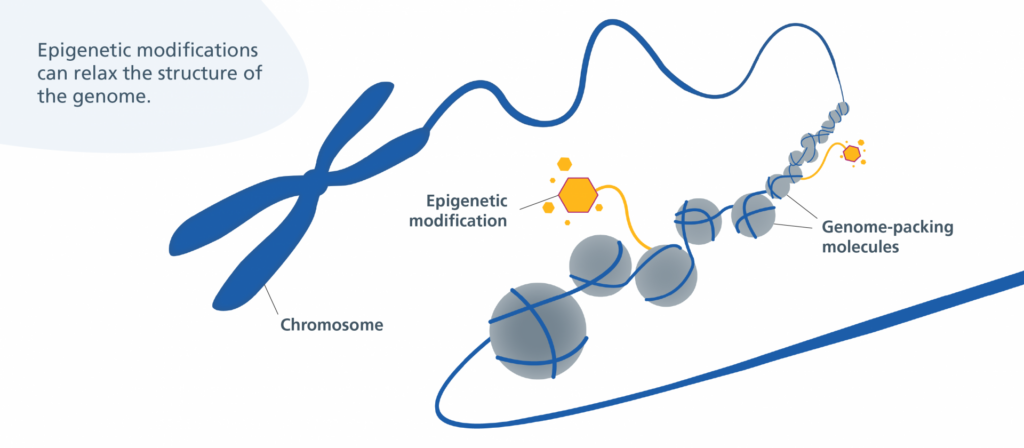
Epigenetics refers to modifications in gene activity without changing the DNA code itself. Testagen and its family of peptides are thought to influence epigenetic marks or transcription factors, thereby promoting the expression of genes that keep cells functional and resilient. In essence, Testagen can be seen as a tiny molecular switchboard operator: it enters cells and possibly the nucleus, then helps dial certain genes up or down. This emerging field blurs the line between biochemistry and gene therapy – using the body’s own small peptides to gently coax cells back to a regenerative, homeostatic state. Testagen’s discovery and ongoing study exemplify how scientists are learning to harness the body’s natural “self-repair” signals to maintain tissue health, especially in organs like the testes where sustained function is key for fertility and hormonal balance.
Bronchogen: A Peptide Bioregulator for Lung Health
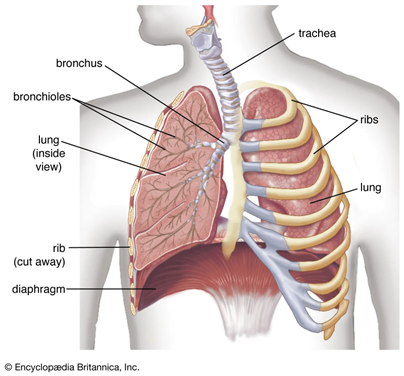
Bronchogen is a short protein fragment (peptide) that researchers believe may help regulate and protect lung tissue. It belongs to a family of peptide bioregulators originally derived from specific organs – in Bronchogen’s case, from bronchial/lung tissue. Scientists are interested in Bronchogen because it appears to act as a targeted support for the respiratory system.
In simple terms, Bronchogen can be thought of as a tiny messenger that tells lung cells to behave more like they did in a healthy, younger state. Laboratory studies in cells and animals suggest it might help lung cells repair themselves, maintain normal structure, and reduce excessive inflammation in the airways. For example, Bronchogen has been linked to improved healing of the bronchial lining and a decrease in harmful inflammatory signals in the lungs. It seems to work by interacting with the basic machinery of cells – including DNA and the proteins that control genes – to turn on protective factors and stabilize cells under stress.
Importantly, Bronchogen is still in the research phase. All findings so far come from lab and animal studies, not from use in humans. It is not a medicine or supplement for people at this time. However, the scientific interest around Bronchogen is growing because it offers clues to how lungs might repair themselves and how we might one day support lung health during aging or chronic stress in a novel, highly targeted way